new pet information
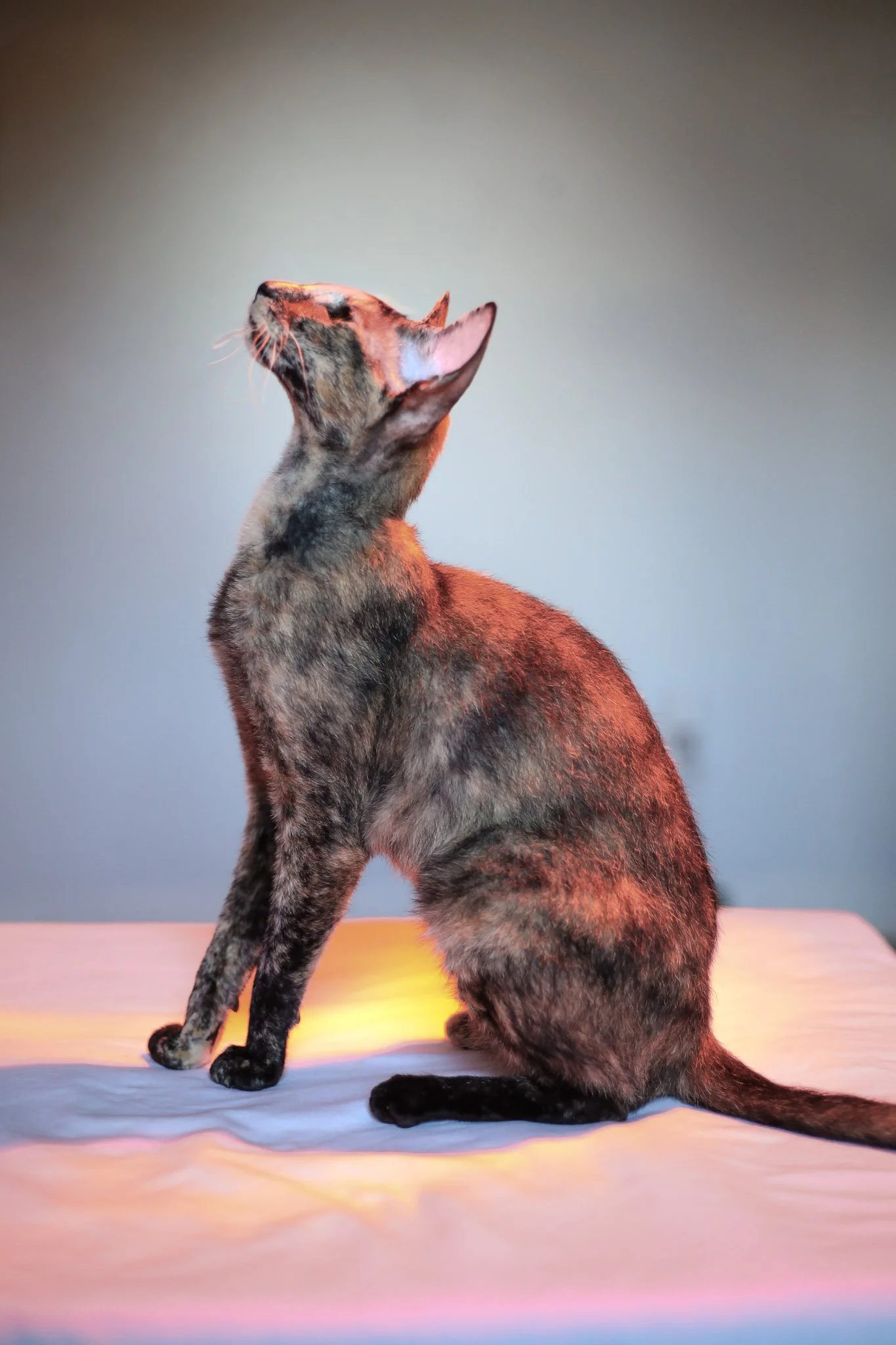
Welcome to the World of the Peterbald
The Peterbald is a unique and elegant breed known for its graceful appearance, affectionate personality, and varying coat types ranging from completely hairless to soft “brush” coats. Peterbalds are highly intelligent, social companions that thrive on human interaction and love being involved in daily family life.
Because of their special coat and skin types, Peterbalds do require a little extra care compared to traditional cats. Think of them as tiny warm-hearted companions who appreciate comfort, routine, and lots of love. With proper care, they make incredibly rewarding family members and lifelong companions.
Litter Box Training & Care
All kittens are litter box trained before leaving for their new homes.
In our cattery, we use pine pellet litter because it is:
Naturally odor controlling
Low dust and respiratory friendly
Environmentally friendly and biodegradable
Cleaner around the litter box area
Excellent at absorbing moisture
Pine litter breaks down into sawdust when wet, allowing only the soiled portions to be removed instead of replacing the entire box frequently.
You are not required to continue using pine litter after adoption. Some automatic litter boxes are not compatible with pellet litter, and many families successfully transition to other litter types.
Our Recommendations
Provide at least two litter boxes per cat
Scoop litter boxes daily
Fully clean litter boxes every 3–5 days
A clean litter box is extremely important for your cat’s health and comfort. Cats are naturally very clean animals, and dirty litter boxes can sometimes lead to:
Litter box avoidance
Urinary tract infections
Stress-related behaviors
Strong ammonia odors in the home
Daily scooping also allows you to monitor your kitten’s stool and urine habits, which can often provide early signs of illness.
Food & Water Bowls
We recommend using stainless steel, glass, or high-quality ceramic bowls for both food and water.
Plastic bowls can develop tiny scratches over time that trap bacteria, even after cleaning. Some cats may also develop chin irritation or “feline acne” from plastic feeding dishes.
Fresh food and clean water should always be available daily, and bowls should be washed regularly to maintain good hygiene and overall health.
Collars & Clothing Safety
Peterbalds often enjoy soft clothing because it helps keep them warm and cozy. Lightweight sweaters or shirts can be especially helpful during cooler months.
If using collars or clothing:
Always supervise during the adjustment period
Ensure items fit comfortably and are not restrictive
Remove items if irritation develops
Never leave unsafe or loose accessories unattended
Kittens are not immediately accustomed to collars and can occasionally become tangled if unsupervised during training. Introduce collars gradually while closely monitoring your kitten.
Playtime & Enrichment
Interactive play is one of the most important parts of keeping a Peterbald happy and healthy. These active, intelligent cats thrive on enrichment, climbing, chasing, puzzle toys, and quality time with their families.
While toys are wonderful for exercise and bonding, safety should always come first.
Toy Safety Tips
Please use caution with:
Long strings or ribbons
Elastic cords
Small detachable toy parts
Feathers or bells that may break off
If swallowed, string-like materials can cause dangerous intestinal blockages that may require emergency surgery. Always supervise interactive string toys and store them safely away after playtime.
Feeding Recommendations
Our kittens are currently eating:
Royal Canin Kitten Dry Food
Royal Canin Kitten Wet Food
Royal Canin has been producing science-based pet nutrition for decades and is widely trusted by veterinarians and breeders worldwide. Their diets are formulated specifically for growing kittens and are designed to support healthy digestion, growth, immune function, and development.
If you decide to transition to a different food, please do so gradually over 7 days to avoid digestive upset.
Slow Food Transition Schedule
Days 1–2: 75% current food / 25% new food
Days 3–4: 50% current food / 50% new food
Days 5–6: 25% current food / 75% new food
Day 7: 100% new food
Temperature & Environment
Because many Peterbalds have little to no coat, they are more sensitive to cold temperatures than traditional cats.
We Recommend:
Keeping your home between 76°F–84°F
Avoiding strong drafts or direct air conditioning vents
Providing warm blankets or heated cat beds
Using soft clothing when needed
Always monitor your kitten for signs of overheating or skin irritation when wearing clothing.
Indoor Living & Safety
Our cats are raised strictly indoors, and we strongly recommend indoor-only living for Peterbalds.
Indoor cats are protected from:
Cars and traffic accidents
Predators
Toxic chemicals
Infectious diseases
Parasites such as fleas and ticks
Indoor cats also tend to live significantly longer, healthier lives.
If you choose to allow outdoor access, we strongly recommend:
Secure catios
Harness training
Fully supervised outdoor time only
Skin Care & Bathing
Some hairless or lightly coated Peterbalds naturally produce skin oils that would normally be absorbed by fur. Depending on coat type, occasional bathing may be necessary to prevent oil buildup or blackheads.
Important Notes
Not all Peterbalds require frequent baths
Bald cats generally need more maintenance than coated cats
Use only gentle, cat-safe shampoos
Monitor for skin dryness or irritation
Your kitten’s individual coat type will determine how much maintenance is needed.
Ear & Eye Care
Ears
Peterbalds can develop wax buildup more quickly than other breeds. Check and clean ears weekly using a veterinarian-approved ear cleaner.
Eyes
Because they have little or no eyelashes, some Peterbalds may develop mild eye discharge. Gently wiping the eyes daily with a soft damp cloth can help keep them clean and comfortable.
Veterinary Care & Wellness
Please establish care with a trusted veterinarian soon after bringing your kitten home.
Routine veterinary care is essential for:
Vaccinations
Parasite prevention
Spay/neuter timing
Dental health
Overall wellness monitoring
We encourage owners to work closely with a veterinarian who understands and appreciates the unique needs of the Peterbald breed.
Spay & Neuter Information
Spaying and neutering provides important long-term health and behavioral benefits.
Benefits Include:
Reduced risk of reproductive diseases
Prevention of accidental litters
Reduced urine marking behaviors in males
Lower risk of hormone-related health conditions
We strongly encourage discussing appropriate timing with your veterinarian.
Vaccination Philosophy
We follow modern, science-based vaccination protocols designed to protect kittens from serious infectious diseases while avoiding unnecessary over-vaccination.
Our kittens receive age-appropriate FVRCP vaccinations as recommended by veterinary professionals.
Your veterinarian will help guide future booster schedules based on your cat’s lifestyle and risk factors.